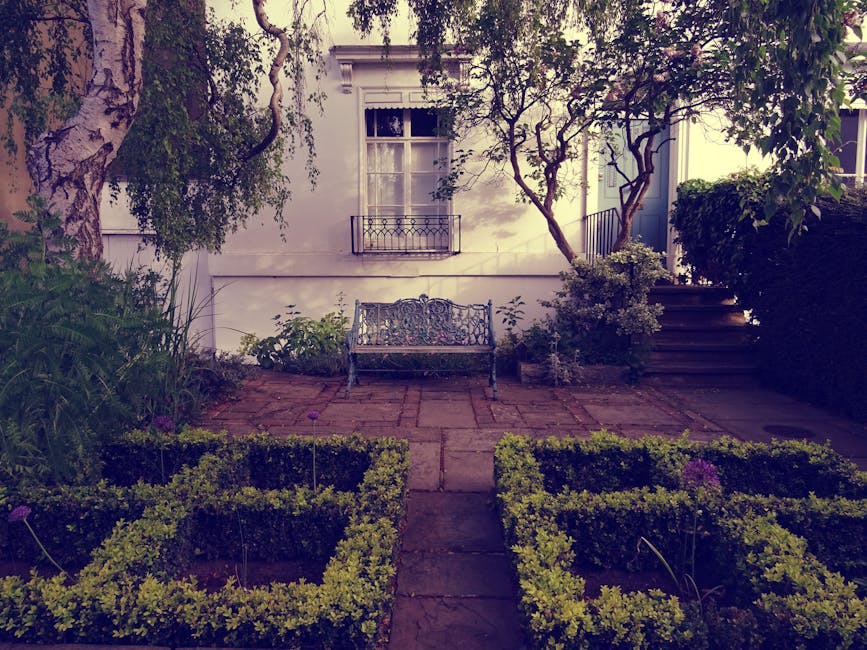
Best gardeners in Fulham Broadway for small front gardens
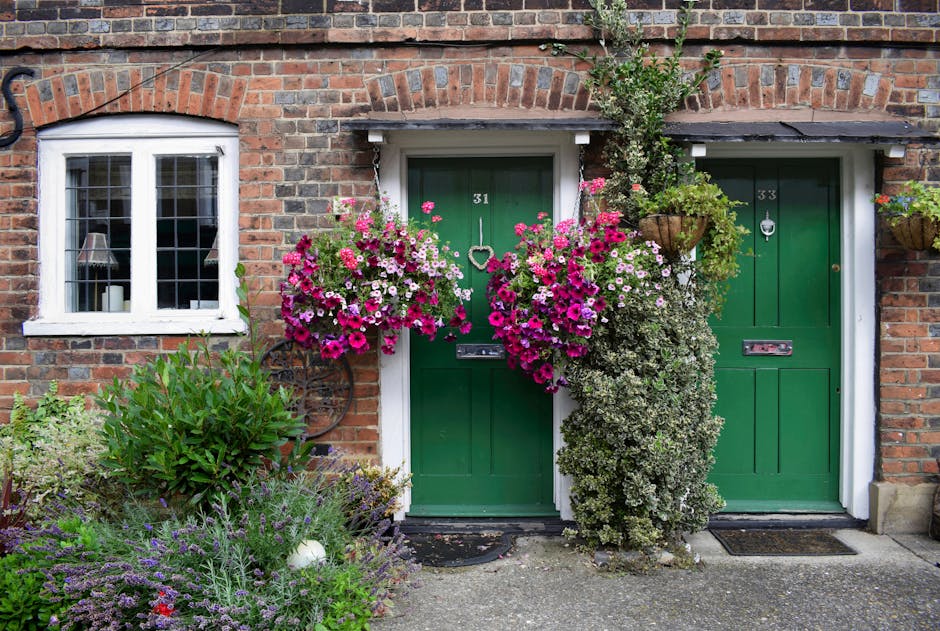
If you have a compact front garden in Fulham Broadway, you already know the challenge: it needs to look neat, welcoming, and easy to maintain, but there is rarely much room to work with. One overgrown shrub can make the whole entrance feel cramped. One badly judged cut, and suddenly the space looks smaller still. That is where choosing the Best gardeners in Fulham Broadway for small front gardens makes a real difference.
This guide is for homeowners, landlords, and busy residents who want a front garden that looks considered rather than cluttered. We will look at what good small-garden care involves, how to compare local gardeners, what services matter most, and how to avoid the usual mistakes that turn a tidy little space into a maintenance headache. Along the way, you will find practical advice, a comparison table, a checklist, and the kind of local detail that actually helps you decide.
To get a feel for the broader service offering, it can help to review the full range of garden maintenance services available, especially if your front garden needs more than a quick tidy-up. And if you are already comparing prices, the pricing and quotes information is a sensible place to start.
Why Best gardeners in Fulham Broadway for small front gardens Matters
A small front garden does a lot more work than people realise. It is the first thing you, your guests, and passers-by see. It also shapes how your property feels from the street. In a place like Fulham Broadway, where homes often sit close to the pavement and space is precious, the wrong planting or poor maintenance can make even a smart house look slightly tired. A good gardener understands that. They are not just cutting grass; they are managing proportion, access, light, and the way a narrow space reads from the outside.
That is why the best local gardeners are usually the ones who understand small-space discipline. They know that a front garden does not need to be packed with features. In fact, restraint often works better. Clean edges, healthy planting, low-maintenance structure, and a tidy finish usually beat an overdesigned display every time. Truth be told, a lot of front gardens look better after things have been removed, not added.
There is also a practical reason this matters. Small front gardens can become messy fast. Leaves pile up. Hedges spread into walkways. Soil splashes onto paving after a wet spell. Bikes, bins, prams, and daily foot traffic all create wear. A skilled gardener spots these pressure points and plans around them. That means less chaos later and fewer "I will sort it next weekend" moments that somehow become next month.
If you want a service that is more than just a one-off cut, it is worth understanding how a local team approaches maintenance, safety, and reliability. Pages such as the insurance and safety information and the health and safety policy can help you judge whether a provider takes the basics seriously. That may sound boring, but boring is exactly what you want when someone is working around your home entrance, pets, visitors, or shared access.
How Best gardeners in Fulham Broadway for small front gardens Works
For a small front garden, the process should feel simple and well organised. The best gardeners usually start by looking at the space as a whole rather than treating it like a checklist of separate jobs. They consider the size of the bed, the amount of light, the surface materials, the plant mix, and how often the space is used. A good first visit often leads to a better long-term plan, even if the work itself is modest.
In practice, the job may include mowing a narrow strip of lawn, trimming a hedge, shaping shrubs, deadheading seasonal plants, weeding between paving joints, and clearing the entrance so it feels open. Some gardens need regular visits; others need seasonal attention with a strong spring and autumn reset. The right approach depends on the current state of the garden, not just the calendar.
Small gardens benefit from precision. A hedge trimmed a little too hard can leave the frontage looking stark. A border cleared too aggressively can expose bare soil and make the place feel unfinished. The better gardeners move with care. They think about lines, height, and how the eye travels across the space. You probably notice this instinctively when you see a really tidy entrance: nothing shouts at you, but everything sits in the right place.
Modern garden maintenance also includes practicalities beyond the plants. Waste disposal, recycling of green cuttings, secure payment, and clear communication all matter. If you are comparing providers, it helps to review pages like recycling and sustainability and payment and security. Those details are not glamorous, admittedly, but they tell you a lot about how the business operates.
Key Benefits and Practical Advantages
Hiring a gardener for a small front garden is not just about keeping the weeds down. It is about making the space work harder for you without creating more work in return. Here are the benefits that matter most in a compact Fulham Broadway setting.
- Better street appeal: a neat entrance instantly lifts the whole property.
- Lower day-to-day upkeep: regular light maintenance is easier than fixing a garden that has been ignored for months.
- More usable space: careful pruning and tidy edging make a small area feel less cramped.
- Healthier planting: plants that are trimmed, fed, and checked properly generally cope better with London conditions.
- Safer access: fewer trailing stems, slippery leaves, and obstructed paths.
- Better seasonal rhythm: the garden looks good in January, not just in May.
There is a quiet confidence that comes from walking up to a well-kept front garden. It suggests care, yes, but also calm. That matters if you rent out a property, want to improve your own daily arrival, or simply do not want the entrance to become the bit of the house you dread looking at.
Another advantage is flexibility. Some clients need a one-off tidy before a sale or a family event. Others need routine help every few weeks. In both cases, the garden should be managed in a way that fits the size of the space rather than imposing a heavy-handed routine. That is a subtle difference, but it makes all the difference.
Who This Is For and When It Makes Sense
This kind of service makes sense for more people than you might expect. Small front gardens are common across London, and many of them are awkward rather than spacious. Maybe you have a narrow strip with a single bed and a path. Maybe it is a raised frontage with steps, a hedge, and a few shrubs. Maybe the front area is more decorative than functional. Either way, the same issue comes up: it is difficult to keep looking sharp without regular attention.
You are likely a good fit for a specialist gardener if:
- you want the front of the property to look smart without constant DIY effort;
- you travel often or work long hours;
- you are a landlord or managing an occupied property;
- you want seasonal planting but do not want the upkeep burden;
- your front garden is too small for a broad, one-size-fits-all maintenance plan;
- you need a one-off refresh before guests, photos, or a sale.
It also makes sense if the existing garden is getting visually noisy. That might mean too many plant varieties, an overgrown climber, or a lawn that is technically there but never really looking like a lawn. Small spaces need editing. Not ruthlessly, just honestly.
Sometimes people think they need a full redesign when what they really need is proper maintenance and a lighter touch. Sometimes the reverse is true. A decent gardener should be able to tell the difference. That judgement is worth paying attention to.
Step-by-Step Guidance
If you want to choose the right gardener for a small front garden in Fulham Broadway, a structured approach helps. It keeps the decision practical and stops you from being swayed by polished wording alone. Here is a sensible way to do it.
- Assess what your garden actually needs. Is it routine mowing, hedge work, seasonal tidy-ups, planting, or a full reset? Write down the obvious problems first.
- Look for relevant experience. A gardener who handles compact urban gardens will usually understand tighter access, limited planting depth, and the need for neat finishes.
- Check what services are included. Some providers focus on mowing and cutting; others offer wider maintenance. The services overview can help you understand what a professional package may cover.
- Ask how they handle waste. Green waste removal, recycling, and site tidy-up are easy things to overlook until you are left with bags on the pavement.
- Request a clear quote. A good quote should explain the scope of work, frequency if relevant, and any extras.
- Check safety and access arrangements. If the garden is tight, or if the entrance is shared, make sure the team works carefully and respectfully.
- Agree the maintenance rhythm. Some gardens do best on a fortnightly or monthly schedule. Others need seasonal visits. Don't overbuy services you will not use.
A small but important point: the best gardeners will usually ask you a few questions back. That is a good sign. If nobody asks about light levels, pets, access, or what you want the front garden to feel like, they may be selling a generic service rather than solving your actual problem.
If you want a clearer sense of budget before going further, the pricing and quotes page is useful because it sets expectations without any awkward back-and-forth. And for a bit of reassurance on how payments are handled, the payment and security details are worth a quick read. That sort of transparency matters, even if it feels like admin.
Expert Tips for Better Results
Small front gardens reward discipline. The trick is not to do more; it is to do the right things consistently. Here are a few expert-level habits that often separate average results from genuinely good ones.
1. Keep the planting structure simple. A compact garden usually looks better with a limited palette of plants and one or two strong shapes. Too many mixed textures can make it feel busy. A neat evergreen, a low border plant, and one seasonal accent can be enough.
2. Prioritise edges and lines. Crisp lawn edges, square hedge lines, and clean paving boundaries give a small space definition. In a tiny garden, lines do more than decoration. They create order.
3. Watch the height near windows and entrances. Tall or spreading growth can close in a front garden faster than you think. If you are standing at the door and feel boxed in, the proportions are probably off.
4. Plan for real life. If there is a bin store, bike storage, or frequent foot traffic, the garden must withstand that. A beautiful but impractical layout will annoy you by autumn. Guaranteed.
5. Use maintenance as design. A tidy cut, frequent deadheading, and seasonal pruning are not just upkeep tasks. They shape how the garden looks. That is especially true in compact spaces where every change is visible.
6. Ask for honest advice. Sometimes a plant is simply in the wrong spot. Sometimes a shrub is past its best. Sometimes a front garden needs less softness and more structure. A good gardener will say so gently, not dramatically.
A small human note here: the best garden work often looks a bit unremarkable at first glance, because the real skill is making it all seem effortless. You notice it when the rain has passed and the paving still looks clean. Or on a bright morning when the front boundary just sits right. Quietly right.
Common Mistakes to Avoid
Small front gardens are easy to damage with well-meaning decisions. The most common mistakes are usually not dramatic. They are just a bit off, and that is enough to throw the whole space out.
- Overplanting: cramming in too many species makes a small front garden look messy and harder to care for.
- Ignoring access: gardeners need space to work safely, especially near doors, steps, and shared paths.
- Cutting back too hard: severe pruning can leave gaps and make the frontage look bare for weeks or months.
- Forgetting drainage and mess: water run-off, mud, and leaf build-up matter more in small, paved areas.
- Choosing on price alone: the cheapest option is not always the most efficient, especially if you need regular upkeep.
- Skipping the quote details: if waste removal or edging is not included, you may end up paying twice.
- Letting maintenance become reactive: once a small garden gets behind, it often needs a bigger intervention to recover.
One extra thing people miss: front gardens are viewed from a few key angles, not just from the front gate. Stand at the pavement, the front door, and the first upstairs window if you can. You will spot problems you miss from inside the house. Bit of a revelation, really.
Tools, Resources and Recommendations
For most small front gardens, the right tools are simple rather than fancy. Good results come from sharp, well-maintained kit and a methodical approach. You do not need a warehouse full of gadgets. You need the right tool for the job and someone who knows how not to mangle the borders.
- Hand shears and secateurs: for precise shaping, deadheading, and light pruning.
- Lightweight hedge trimmers: useful where hedging needs regular control without overcutting.
- Spades and hand forks: for bed edging, weeding, and small-scale planting.
- Leaf collection tools: especially helpful in autumn when front paths get covered quickly.
- Green waste bags or removal systems: essential for keeping the site tidy.
From a service perspective, it helps to use pages that explain how the business works before you commit. The recycling and sustainability page is useful if you care about responsible disposal of green waste. If accessibility matters to you or a household member, the accessibility statement can also tell you how the provider thinks about usability and inclusion. Not glamorous, but genuinely useful.
If you are unsure where to begin, a simple first step is to ask for a visit or a clear written quote. A site that looks small can still need a very tailored approach, and a short conversation often reveals the real scope. No drama. Just clarity.
Law, Compliance, Standards, or Best Practice
For residential gardening, there is no need to overcomplicate things, but basic compliance and professional standards matter. A trustworthy gardener should operate with appropriate insurance, sensible risk awareness, and clear communication about what they will and will not do. If tools, ladders, or machinery are involved, safe working habits are not optional.
For clients, the practical best practice is straightforward:
- confirm who is carrying out the work;
- check that the provider is insured for the job;
- make sure access instructions are clear;
- agree any special care needed for pets, visitors, or delicate planting;
- understand how waste and debris will be handled.
The insurance and safety page is relevant here because it helps you assess whether the business takes responsibility seriously. Likewise, the health and safety policy should reassure you that common hazards are considered before work starts, not after something goes wrong.
There is also a broader ethical side to professionalism. If you are choosing a local company, it is fair to expect transparent policies and responsible conduct. That is why pages such as the modern slavery statement and complaints procedure can be useful trust signals. They tell you how the business expects to operate when things are straightforward and when they are not. Which, let's face it, says a lot.
Options, Methods, or Comparison Table
Different small front gardens need different levels of service. If you are trying to decide what kind of gardener to hire, this comparison can help.
| Approach | Best for | Typical strengths | Possible limits |
|---|---|---|---|
| One-off tidy-up | Overgrown entrances, pre-sale refresh, seasonal reset | Fast improvement, visible impact, useful for neglected spaces | May not solve the underlying maintenance problem |
| Regular maintenance visit | Busy homeowners, rented properties, compact gardens that change quickly | Consistent appearance, easier upkeep, fewer surprises | Requires scheduling and ongoing budget |
| Light redesign and maintenance | Front gardens with awkward planting or poor layout | Improves structure and reduces future effort | Needs more planning than basic maintenance |
| Seasonal care only | Gardens that are otherwise manageable | Cost-conscious, simple, good for spring/autumn focus | Can fall behind between visits if growth is fast |
For many Fulham Broadway homes, the sweet spot is regular light maintenance plus a stronger seasonal tidy. That combination keeps the frontage sharp without overworking the garden. It also avoids the "all or nothing" pattern that so often leads to overgrowth, then panic, then another hard cut. A bit familiar, that one.
Case Study or Real-World Example
Imagine a small terraced property near Fulham Broadway station with a narrow front garden, a short path, one hedge, and a couple of mixed shrubs. The space is visible from the street and from the living room, so every little untidy patch stands out. After a wet week, the edging softens, the hedge drifts out of line, and a few weeds appear at the base of the wall. Nothing dramatic. Just enough to make the entrance feel slightly neglected.
A sensible gardener would not rush in and hack everything back. They would likely start by clearing the path, reshaping the hedge with a lighter hand, removing the obvious weeds, and trimming only what is out of proportion. They might also suggest reducing one crowded shrub or simplifying the planting near the gate so the space breathes a bit better. The result is not a new garden. It is a better version of the one already there.
That kind of work is easy to underestimate because it is subtle. But when you step outside on a damp Tuesday morning and the entrance still looks neat, that is the point, isn't it? The garden is doing its job without asking for attention every five minutes.
Practical Checklist
Use this checklist before you book a gardener for a small front garden in Fulham Broadway.
- Have I identified whether I need one-off help or regular maintenance?
- Do I know which parts of the garden are the main problem areas?
- Have I checked whether the gardener has relevant experience with small urban front gardens?
- Do I understand what is included in the quote?
- Have I asked about waste removal and tidy-up after the job?
- Do I know whether the team is insured and works safely around access points?
- Have I checked payment terms and how security is handled?
- Is there a clear plan for seasonal work if the garden needs it?
- Will the approach improve the garden's shape, not just cut it back?
- Do I have a realistic idea of how often the space will need attention?
Practical summary: the best gardener for a small front garden is usually the one who understands proportion, keeps the work tidy, and gives you a maintenance plan that fits your life. Not the loudest pitch. Not the cheapest flyer. The one who actually sees the space properly.
Conclusion
Finding the Best gardeners in Fulham Broadway for small front gardens is less about chasing a big-name service and more about choosing someone who understands compact spaces, local conditions, and the value of a clean, thoughtful finish. The right gardener will help your front garden look welcoming without making it feel crowded, overworked, or awkward to maintain.
If you take one thing from this guide, let it be this: small front gardens need precision, not excess. A clear quote, a sensible maintenance plan, and a provider who cares about safety, waste handling, and presentation will usually deliver far better results than a generic "quick tidy" ever could.
And if you are still deciding, that is fine. A front garden is one of those things you see every day, so it is worth getting right. A little care goes a long way. Really, it does.
Get a free quote today and see how much you can save.
Frequently Asked Questions
What should I look for in a gardener for a small front garden?
Look for experience with compact spaces, neat finishing, clear quotes, and a practical understanding of upkeep. For a small front garden, precision matters more than big-scale landscaping.
How often does a small front garden need maintenance?
It depends on planting, season, and exposure, but many small front gardens benefit from light attention every few weeks, with extra seasonal work in spring and autumn.
Is a one-off tidy-up enough for a small front garden?
Sometimes yes, especially if the garden is generally manageable. But if growth is fast or the space is heavily used, regular maintenance usually gives a better result.
What is usually included in front garden maintenance?
Common tasks include weeding, edging, hedge trimming, shrub shaping, leaf clearance, light pruning, and tidying paths or borders. Exact services vary, so always check the scope first.
How do I know if a quote is fair?
A fair quote should explain what work is included, how often visits happen if relevant, and whether waste removal or extra labour is part of the price. Clarity matters more than a low headline figure.
Can a gardener help make a tiny front garden look bigger?
Yes. Good pruning, careful plant selection, clear edging, and simpler structure can make a small garden feel more open and less crowded.
Do I need a full redesign or just maintenance?
If the layout works and the main issue is overgrowth, maintenance may be enough. If the garden feels cramped, awkward, or difficult to care for, a lighter redesign could be worthwhile.
How important is waste removal after garden work?
Very important. In a small front garden, bags of clippings or debris can quickly become a nuisance. A professional service should make it clear how waste is handled.
What if my front garden is mostly paving with just a few plants?
That still counts. Paving areas need weed control, leaf removal, and attention to edges, joints, and containers. Small gardens with hard landscaping can look tired very quickly if ignored.
Should I choose the cheapest gardener available?
Not necessarily. Price matters, of course, but the cheapest option may miss details that matter in a small front garden. Experience, reliability, and clear communication are often better value.
Are safety and insurance really necessary for a small job?
Yes. Even a small job can involve tools, access issues, slippery surfaces, or accidental damage. Good providers should be able to explain their safety approach and insurance position clearly.
Where can I find more information before booking?
It helps to review the service overview, pricing details, safety information, and any complaints or policy pages first. That gives you a fuller picture of how the business works and what to expect.