Garden maintenance near Parsons Green SW6 top local tips
If you live in Parsons Green, you'll know the garden can look lush one week and a bit chaotic the next. London weather, shade from neighbouring trees, narrow side returns, and busy day-to-day life all work against a neat outdoor space. That's exactly why Garden maintenance near Parsons Green SW6 top local tips matters: it helps you keep a garden healthy, usable, and good-looking without turning every weekend into a job list.
Whether you've got a compact town garden, a shared courtyard, or a more established family space, the trick is not doing everything at once. It's knowing what actually makes a visible difference. In this guide, we'll walk through the practical side of local garden care, what services usually involve, how to spot the signs that a garden needs attention, and the small decisions that save time later. A tidy border in April feels very different from the same border left until August, truth be told.
We'll also cover useful best practices, common mistakes, and what to expect if you're comparing professional help in the area. If you're planning to book support, you may find it helpful to browse the full range of garden services and check pricing and quote options before you decide.
Table of Contents
- Why Garden maintenance near Parsons Green SW6 top local tips Matters
- How Garden maintenance near Parsons Green SW6 top local tips Works
- Key Benefits and Practical Advantages
- Who This Is For and When It Makes Sense
- Step-by-Step Guidance
- Expert Tips for Better Results
- Common Mistakes to Avoid
- Tools, Resources and Recommendations
- Law, Compliance, Standards, or Best Practice
- Options, Methods, or Comparison Table
- Case Study or Real-World Example
- Practical Checklist
- Conclusion
- Frequently Asked Questions
Why Garden maintenance near Parsons Green SW6 top local tips Matters
Parsons Green is one of those London areas where outside space has to work hard. Gardens are often compact, overlooked, or split into a few different zones: lawn, patio, side passage, planter beds, maybe a small tree or climbing plant. That mix is lovely, but it also means problems show up quickly. A patch of moss on paving, a hedge that's grown a bit too enthusiastic, or a lawn that's gone thin can change the whole feel of the space.
Good garden maintenance is not just about appearances. It affects drainage, plant health, safety, and how much time you spend trying to catch up. A well-kept garden tends to need fewer dramatic fixes later. That's the real win. In busy parts of SW6, where many homes rely on regular upkeep rather than occasional overhauls, steady maintenance is usually far more effective than waiting until everything feels urgent.
It also makes daily life easier. A garden that's trimmed, clear, and functioning properly is more pleasant to step into on a grey Tuesday morning, and much easier to enjoy when the weather finally behaves. You notice the little things: fresh growth after pruning, the clean line of an edge, the smell of cut grass after a tidy lawn pass. Small stuff, but it adds up.
Expert summary: In a neighbourhood like Parsons Green, the best garden maintenance approach is usually consistent, seasonal, and practical rather than heavily decorative. Regular light care almost always beats occasional heavy rescue work.
How Garden maintenance near Parsons Green SW6 top local tips Works
In simple terms, garden maintenance is the ongoing care of the outdoor space so it stays neat, healthy, and usable. That can include mowing, edging, hedge trimming, weeding, leaf clearance, pruning, planting care, bed tidying, and general seasonal preparation. For many homes, it's a mix of recurring jobs and one-off tasks that come and go with the weather.
In practice, the work often starts with a quick assessment. What's growing well? What's blocking light? Which areas are collecting debris? Is the lawn compacted? Are the borders full of weeds that keep returning? A good maintenance plan starts with these basics, because not every garden needs the same level of attention.
If you're using a professional service, they will usually work to a schedule that reflects the season and the garden type. A spring visit might focus on recovery and reset, while summer care is more about keeping growth under control. Autumn tends to bring leaf management and preparation for colder weather, while winter work may be lighter but still useful for structure and safety. Simple, really. But easy to get wrong if you wait too long.
For readers who want a better sense of how this fits into a wider service package, the services overview page gives a useful starting point. If your concern is safety and professional standards, you can also review the company's health and safety policy and insurance and safety information.
Key Benefits and Practical Advantages
There are a few clear reasons people keep up with garden maintenance rather than leaving it to chance.
- Better presentation: A tidy garden instantly improves kerb appeal and the feeling of the whole property.
- Healthier plants: Regular pruning, feeding, watering, and weeding reduce stress on shrubs, borders, and lawns.
- Less future work: Small jobs handled early are easier than large-scale recovery later.
- Safer pathways and boundaries: Cut-back growth can improve visibility and reduce trip hazards.
- More usable space: Gardens feel bigger and more inviting when they are kept in shape.
- Seasonal resilience: A well-maintained garden handles heat, rain, wind, and colder months better.
There's also a psychological benefit that people don't always mention. A garden that looks under control tends to feel calmer. You're less likely to step outside, glance at a jungle of bindweed, and immediately shut the door again. We've all been there, or at least close enough.
For landlords, homeowners, and tenants alike, regular care can also help reduce disputes about standards and make routine inspections less stressful. If budget planning matters, it helps to review pricing and quotes early so you can decide whether you need one-off support or recurring maintenance.
Who This Is For and When It Makes Sense
Garden maintenance near Parsons Green SW6 is useful for more people than you might expect. It is not only for large homes with elaborate beds and specimen plants. In fact, some of the most maintenance-heavy gardens are quite small, because every square metre is visible and every weed feels louder than it should.
This kind of service makes sense if you are:
- a homeowner who wants the garden to stay presentable without losing whole weekends to upkeep
- a landlord trying to keep a rental property in good condition between tenancies or during inspections
- a busy family who wants the outdoor space safe and usable
- an older resident who would rather avoid physically demanding tasks
- a tenant with permission to maintain the space but limited tools or time
- someone preparing for an event, sale, or seasonal refresh
It also makes sense when growth has clearly outpaced your routine. If the lawn is scalped in places, the borders have merged into each other, or the hedge is blocking light, the garden is probably asking for a reset rather than another quick tidy-up. To be fair, that happens more often than people admit.
If you need a practical point of contact for a broader support conversation, the home page at Lawn Mowing Fulham is a sensible place to start, especially if you want to compare ongoing care with occasional visits.
Step-by-Step Guidance
Good garden maintenance is easier when you break it into a simple routine. Here's a practical sequence that works well for many SW6 gardens.
- Walk the garden first. Look for overgrowth, pests, bare patches, blocked drains, windblown debris, and anything causing a bottleneck.
- Clear the obvious clutter. Remove fallen branches, plant pots that have drifted, dead stems, and leaf build-up from paths and borders.
- Mow or tidy the lawn. Keep cutting height sensible for the season. Cutting too low can stress grass, especially in dry spells or shaded areas.
- Edge the borders. A clean edge gives structure and makes the whole garden look cared for, even before anything else is done.
- Weed properly. Pull or cut weeds before they seed. Persistent weeds may need repeated attention, not a one-off sweep.
- Prune with a purpose. Remove dead, crossing, or overcrowded growth. Don't just hack everything back at once.
- Check watering and feeding needs. Container plants, young shrubs, and newly planted areas often need more regular care.
- Finish with a reset. Sweep hard surfaces, compost or bag green waste responsibly, and step back for a final look.
A small but important point: don't do every task in the same order every time just because it feels neat. Sometimes the garden tells you what it needs first. If the paving is slippery with leaf mulch, clear that before anything else. If the shrubs are smothering the path, cut access back first. Practical beats perfect.
For broader support with maintenance routines and site-specific work, the service overview can help you understand what is usually included.
Expert Tips for Better Results
Here are the local tips that tend to make the biggest difference in gardens around Parsons Green and similar SW6 streets.
1. Work with the shade, not against it
Many gardens in this part of London have areas that stay shady for much of the day. Those spots dry out slowly, can encourage moss, and often need gentler mowing or more suitable planting. In shade, it's usually better to use plants that tolerate lower light rather than fighting to grow sun-loving species that never quite settle.
2. Watch the lawn in damp weather
London lawns can compact quickly, especially if the garden gets regular foot traffic. If the ground feels soft, try not to mow too aggressively. A machine set too low can tear the grass rather than cleanly cut it. That's one of those mistakes that looks minor until the patchiness appears a few weeks later.
3. Keep an eye on boundaries and neighbours
In tightly packed streets, hedge growth and climbing plants can wander fast. A quick trim can prevent awkward overhangs, blocked light, or debris falling into the wrong place. A considerate tidy-up saves a lot of friction. Not exactly glamorous, but very useful.
4. Use seasonal cycles instead of panic jobs
Spring is for renewal, summer is for control, autumn is for clearing, and winter is for structure and planning. If you work with the season, the garden stays calmer overall. If you wait until everything looks dramatic, you end up doing double the work.
5. Don't ignore the boring jobs
Weeding, edging, sweeping, and leaf removal do not feel exciting. Yet they are often the reason a garden looks maintained rather than merely decorated. The boring jobs are the backbone. Annoying, yes. Important, absolutely.
For sustainability-minded homeowners, it can also be worth reviewing the company's recycling and sustainability approach so you know how green waste is handled.
Common Mistakes to Avoid
Even with the best intentions, people often slip into a few patterns that make maintenance harder than it needs to be.
- Cutting too much at once: Over-pruning or scalping grass can shock plants and leave the space looking worse.
- Leaving weeds until they seed: One neglected patch can become next month's headache.
- Ignoring hidden problem areas: Side returns, fence lines, and behind sheds are easy to forget.
- Using the wrong tools for the job: A blunt hedge trimmer or undersized mower makes everything slower and messier.
- Forgetting drainage and surfaces: Gardens are not only about plants. Slippery paths and blocked gullies matter too.
- Doing only cosmetic work: A neat top layer is good, but the roots, soil, and growth habit need attention as well.
One of the most common mistakes is chasing a "perfect" look without considering what the garden can actually support. A thirsty border planted in full sun might look fantastic in May and miserable by August if it is not maintained properly. Better to be realistic and consistent.
Tools, Resources and Recommendations
You do not need a shed full of specialist kit to keep a garden in decent shape. A small, reliable set of tools usually beats a cupboard full of things you rarely use.
| Tool or resource | What it helps with | Practical note |
|---|---|---|
| Hand shears or secateurs | Light pruning, trimming, deadheading | Best for precision and small jobs near paths or windows |
| Lawn mower | Routine grass cutting | Keep blades sharp and cutting height seasonally sensible |
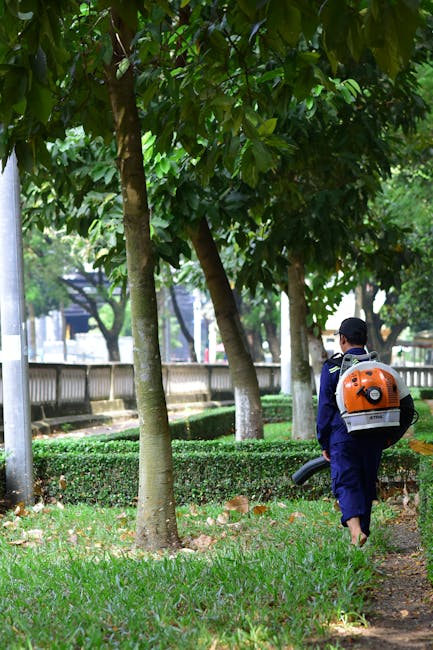
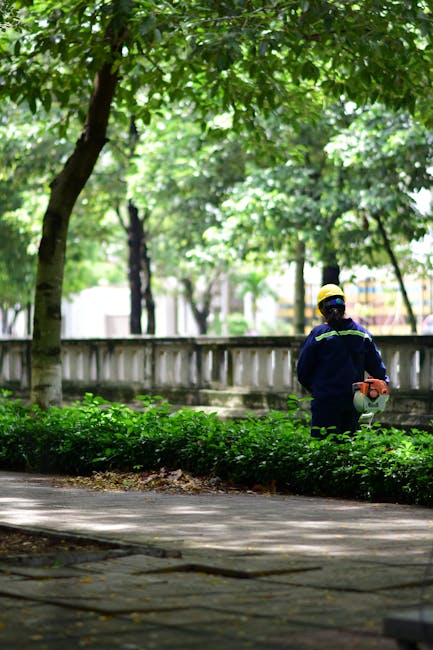
| Leaf rake or blower | Autumn debris, general clearing | Useful on paving, patios, and around borders |
| Weed tool or hand fork | Rooted weeds in beds and paving joints | More effective than simply pulling surface growth |
| Compost or green waste bags | Disposal of cuttings and debris | Check local recycling or collection options before bagging everything up |
| Professional service support | Regular upkeep, larger tidy-ups, seasonal resets | Useful when time, access, or equipment is limited |
If you are comparing professional help, it makes sense to look at how the provider handles scheduling, payment, and customer support. Their payment and security information can tell you a lot about how straightforward the process will feel, while the complaints procedure is a good sign that the company takes service quality seriously.
For customers who need support accessing information, the accessibility statement is also worth a look. It may sound like a side note, but clear, accessible communication matters.
Law, Compliance, Standards, or Best Practice
Garden maintenance itself is usually straightforward, but there are a few practical standards and responsibilities worth keeping in mind. In the UK, the main principle is simple: work should be carried out safely, responsibly, and without creating avoidable risk to people or property. That applies whether you do the work yourself or hire someone else.
If a contractor is involved, it is sensible to ask about insurance, safe working practices, and how waste is handled. For example, sharp tools, ladders, powered equipment, and manual lifting all carry risk, so clear procedures matter. You do not need to interrogate anyone like a detective, but a little due diligence goes a long way.
On the environmental side, responsible disposal of cuttings and waste is good practice. Composting where suitable, separating green waste, and avoiding fly-tipping are all part of being a decent neighbour as well as a decent gardener. The company's recycling and sustainability guidance is relevant here.
There is also a broader business ethics angle. If you are choosing a provider, it is reasonable to review information such as the modern slavery statement. That kind of page helps show how the business approaches responsible operations, even if it is not something most customers think about first.
Options, Methods, or Comparison Table
Most people in Parsons Green end up choosing between doing the maintenance themselves, booking occasional help, or arranging regular visits. The best option depends on time, budget, garden size, and how much visible upkeep the space needs.
| Approach | Best for | Pros | Watch-outs |
|---|---|---|---|
| DIY maintenance | Small, simple gardens and hands-on owners | Low direct cost, full control, flexible timing | Needs time, tools, and regular discipline |
| One-off tidy-up | Overgrown gardens or pre-event refreshes | Fast visible improvement, useful for resets | Does not solve ongoing growth or seasonal pressure |
| Regular maintenance plan | Busy households, landlords, and high-visibility gardens | Consistent results, easier planning, less catch-up work | Requires commitment and a clear scope of work |
In practical terms, regular maintenance is usually the most efficient option if you want the garden to stay nice rather than periodically bounce between tidy and wild. One-off work is still useful, especially after winter or before a property goes on the market. DIY can work beautifully too, if the pace of life allows it. That's the catch, isn't it?
Case Study or Real-World Example
Here's a realistic example from the sort of garden many Parsons Green residents recognise. A compact rear garden had a small lawn, two border beds, a hedge along the back fence, and a paved seating area. After a few busy months, the lawn had become patchy, ivy had crept into the edges, and the patio was collecting leaves and a bit of grime.
The first step was not a major redesign. It was a sensible reset. The lawn was cut carefully rather than too short, the edges were defined, weeds were removed from the borders, and the hedge was brought back under control without stripping all the growth away. The paved area was swept thoroughly, then checked for slippery patches and blocked corners.
What changed most was not just the appearance. The garden became usable again. Chairs could be pulled out without dodging overgrowth, the border plants had space to breathe, and the owner no longer felt they had to "sort the garden out" before anyone could sit outside. Small win, but a proper one.
That kind of result is common. In gardens like this, the value usually comes from sequencing and restraint, not dramatic intervention. The job is not to overpower the garden. It is to help it behave itself.
Practical Checklist
Use this quick checklist before or after any maintenance visit. It keeps the work focused and helps you spot what still needs attention.
- Lawns cut at the right height for the season
- Edges trimmed for a cleaner finish
- Weeds removed from beds, paths, and paving joints
- Hedges and shrubs lightly shaped, not overcut
- Dead or damaged growth cleared away
- Leaves and debris removed from corners and drains
- Patio, path, or hard surfaces swept down
- Green waste bagged, composted, or taken away responsibly
- Planting areas checked for dryness or overwatering
- Any safety hazards or access issues noted for next time
If you want to be extra organised, keep a simple note on your phone with dates, tasks completed, and anything that needs revisiting. It sounds almost too basic to mention, but that little habit prevents a surprising amount of drift.
Get a free quote today and see how much you can save.
Conclusion
Garden maintenance near Parsons Green SW6 is really about keeping outdoor space working well for everyday life. Not just looking neat for a photo, but functioning properly through the seasons. The best results usually come from regular attention, sensible pruning, good timing, and a realistic view of what your garden needs.
If you take one thing from this guide, let it be this: small, consistent actions are worth far more than occasional heroic efforts. A tidy edge, a cleared path, a lawn cared for before it gets stressed - those are the details that keep a garden feeling calm and welcoming.
And if the garden has already got ahead of you, that's fine. Happens all the time. The good news is that most spaces can be brought back with the right sequence and a bit of patience. Sometimes that's all a garden needs.
Frequently Asked Questions
What does garden maintenance usually include in Parsons Green SW6?
It usually includes lawn mowing, edging, weeding, hedge trimming, pruning, leaf clearance, border tidying, and general seasonal upkeep. The exact scope depends on the garden and what needs attention most.
How often should a garden be maintained in SW6?
That depends on growth rate, season, and how visible the garden is. Many gardens benefit from regular light maintenance rather than waiting for a bigger tidy-up. In spring and summer, more frequent attention is usually needed.
Is regular maintenance better than one-off garden clearance?
For most gardens, yes. One-off work is helpful when the space is overgrown, but regular maintenance keeps the garden healthier and reduces the amount of catch-up work later.
Can a small garden still need professional maintenance?
Absolutely. Small gardens can actually need more precise care because every area is visible. Narrow spaces, patios, and compact lawns can become messy very quickly if they are not kept on top of.
What is the best time of year for a garden tidy-up?
Spring is often a good time for a reset, while autumn is useful for clearing leaves and preparing for colder weather. That said, maintenance matters all year round, just with different priorities.
How do I choose between DIY and professional garden maintenance?
Think about time, tools, physical effort, and how much consistency the garden needs. DIY can work well for simple spaces, while professional help is often worth it for busier households or more demanding gardens.
Do I need to worry about waste disposal after garden maintenance?
Yes, it's sensible to think about it. Green waste should be handled responsibly, whether that means composting, recycling, or arranging collection. Good waste handling is part of proper maintenance.
What should I ask before booking a local gardening service?
Ask what is included, how often visits can be arranged, whether the provider is insured, how payment works, and what happens if the work needs adjusting after the first visit.
Are there safety issues with garden maintenance?
There can be. Powered tools, ladders, uneven ground, and lifting waste all carry some risk. It is sensible to use safe working practices and to choose a provider with clear health and safety procedures.
How can I keep my garden looking good between visits?
Do the small jobs often: sweep paths, remove obvious weeds, water sensitive plants properly, and trim back anything blocking access. Little and often is usually the secret.
What if my garden has shade and poor growth?
Shady gardens often need different plants, gentler mowing, and more attention to moss or damp areas. It's not a failure of the garden; it just means the maintenance approach needs to fit the space.
Where can I check service details before contacting a provider?
You can review the services overview, then look at pricing and quotes if you want to understand the next step more clearly.